Paid social · Hook · Test

AI Car Ad Generator

A car ad has less than two seconds to stop a thumb. The first frame has to show the car clearly, the light has to separate it from the feed, and the motion has to start immediately. That is a different job from a showcase or a commercial.

This page is about the paid-social version: vertical, short, hook-first, and cheap enough to test several directions before you put budget behind one.

Clips on this page are AI-generated previews. They are fictional and not a record of a real event.

Updated 20 October 2026

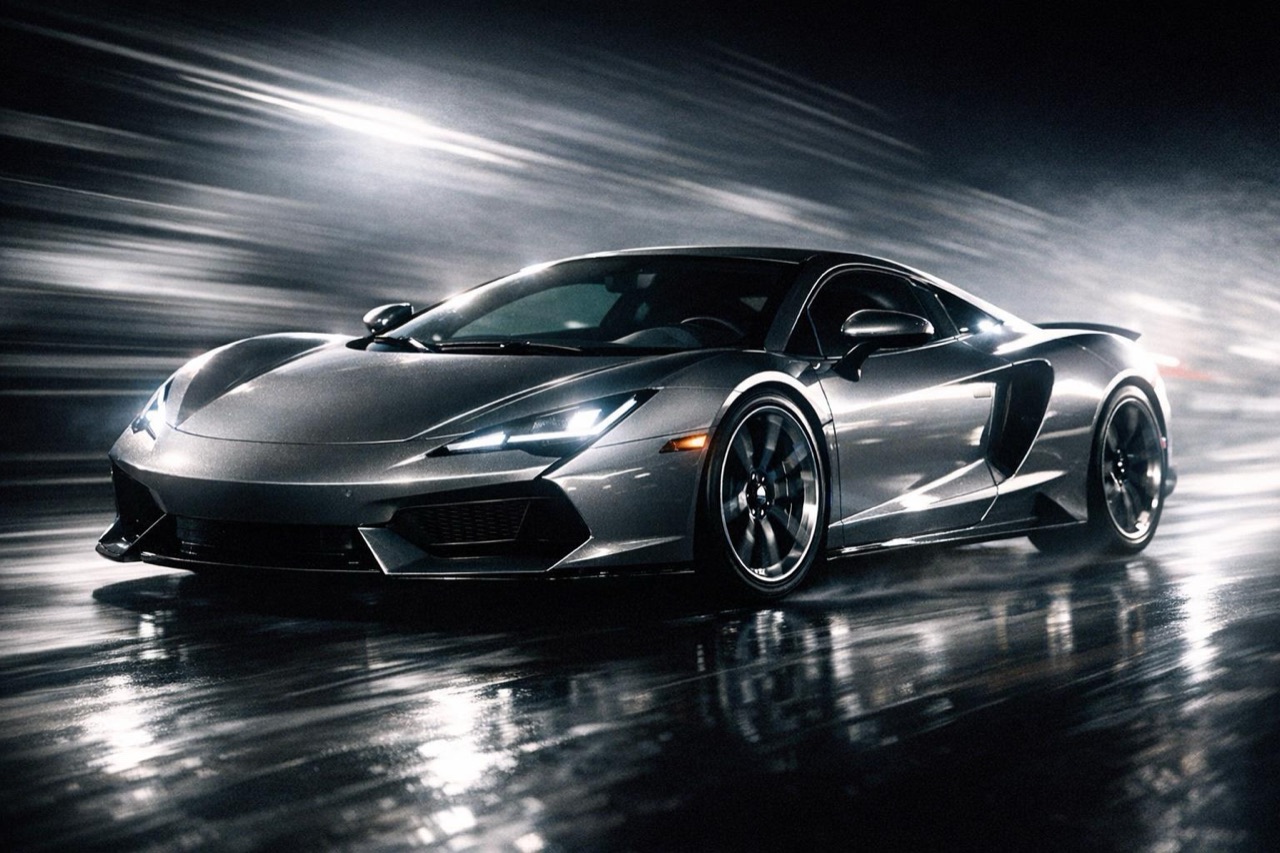
A sports car in a dramatic vertical ad frame with hard light and motion blur
Length
5–12 seconds
Resolution
480p · 720p · 1080p
Aspect ratio
9:16 · 16:9 · 1:1
Watermark
None on paid renders
Model
Seedance 2.0
Moderation
SeeAPI, fail-closed

Hook in the first frame

Start with the car large in frame and the light already dramatic. Do not spend the first second on an establishing shot.

Vertical by default

9:16 fills the feed and leaves room for captions. The same clip can be re-rendered in 1:1 for other placements.

Test, do not guess

Render three hooks with the same car and compare retention. A clip costs less than a day of ad spend.

How it works

  1. 1

    Choose one hook

    A hard-light studio reveal, a night street pull-away, or a wheel-level detail. One hook per clip, not three in five seconds.

  2. 2

    Make the car big

    The car should dominate the vertical frame. If the source photo is wide, crop or re-shoot so the vehicle fills the centre.

  3. 3

    Add a motion reason

    A push-in, a pull-away or a wheel turn. Motion should reveal the car, not just decorate the frame.

  4. 4

    Launch and compare

    Run each clip as a separate ad set with the same copy and audience. Keep the one with the best three-second retention.

Start from a tested prompt

Each prompt is complete: subject, scene, camera and what must not change. Copy it or open the studio with it pre-filled.

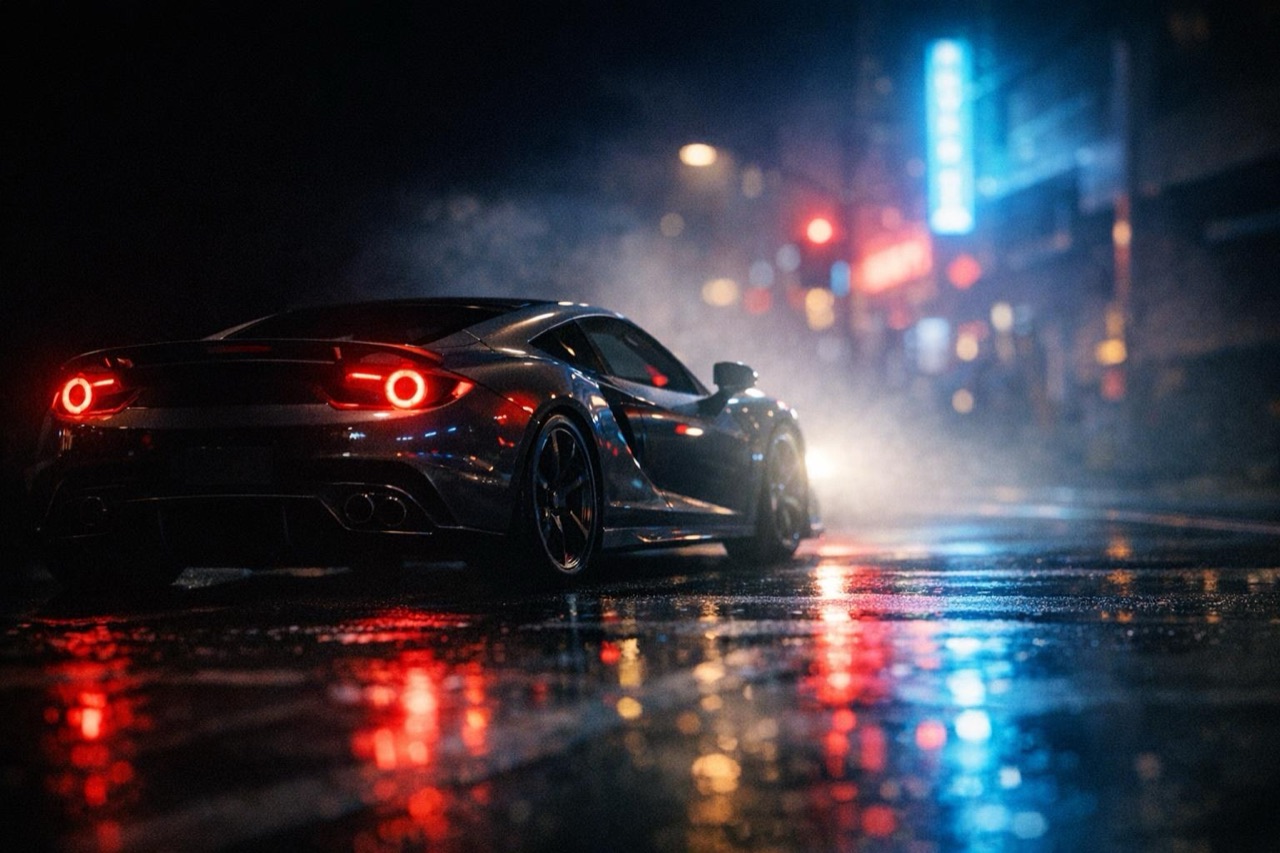
A vertical car ad still with a car emerging from shadow in a city at night

Hard Light Hook

A dark studio, one hard key, a fast push-in.

Prompt (English)

Use the car in the uploaded photo as the single hero. A dark studio with a polished floor and one hard key light from the front left, deep shadow on the right. The camera performs a smooth but deliberate push-in on the front three-quarter view, starting wide and ending tight. Keep the body shape, paint colour, wheels and badges exactly as photographed. No people, no text, no watermark. Vertical 9:16.

Use in studio

Neon Pull

A wet night street, neon light, the car pulls away.

Prompt (English)

Use the car in the uploaded photo as the single hero. A wet city street at night with neon signs and reflections on the asphalt. The camera sits low at the rear three-quarter as the car pulls away from the camera, tail lights glowing. Keep the body shape, paint colour and wheels exactly as photographed. No crash, no people, no text, no watermark. Vertical 9:16.

Use in studio

Wheel Detail

A low wheel-level frame, rolling motion, shallow focus.

Prompt (English)

Use the car in the uploaded photo as the single hero. A close, low frame at wheel height on a smooth road, the wheel and lower body filling the frame, the background streaking past. The camera tracks with the car at a constant distance. Keep the body shape, paint colour and wheel design exactly as photographed. No people, no text, no watermark. Vertical 9:16.

Use in studio

The anatomy of a car ad hook

A strong hook has three things in the first frame: a clear subject, a strong light edge and a reason for the eye to move. A car half in shadow with a bright rim on the roofline does more than a wide shot of a car in a car park.

The second frame should add motion. A slow push-in is enough. The viewer needs to feel the clip is going somewhere, even if it is only five seconds long.

What to test first

Test the light before the scene: hard studio light versus night neon versus warm daylight. Then test the camera: push-in versus side track versus orbit. Then test the car itself. Changing one variable at a time is the only way to learn anything from the result.

Keep the copy constant across the test. If the clip and the copy both change, you will not know which one moved retention.

Where the clip fits in the funnel

Use the clip as the top-of-funnel creative: it introduces the car and earns the pause. The landing page or the listing carries the details, the price and the call to action.

For retargeting, a slower showcase cut of the same car often works better than the original hook. Same source photo, same prompt structure, different camera move.

Questions people ask

Can I use AI car clips in paid ads?

Paid renders can be used commercially. Check the ad platform's AI disclosure policy and your local rules, and make sure you have the rights to the source photo and the vehicle.

What is the best length for a car ad?

Five to eight seconds is a strong starting point for paid social. Use twelve seconds when the clip has a clear beginning and end, such as a reveal or a pull-away.

Should the ad be vertical or square?

Start vertical 9:16 for Reels, TikTok and Shorts. Re-render in 1:1 or 16:9 for placements that need it rather than cropping a vertical clip badly.

How many variations should I test?

Three is a practical first round: one light direction, one scene, one camera move. Keep the copy and audience identical so the creative is the only variable.

Can I add text and a logo afterwards?

Yes. The render is a clean plate. Add captions, price, disclaimer and logo in your editor so the text stays crisp and accessible.

What if the first frame is weak?

Change the prompt to start tighter and with stronger light. Ask for the car to fill the frame from the first moment instead of beginning with a wide establishing shot.

Turn your photo into a clip

Start with the preset on this page, or write your own shot. Credits are shown before you generate, and failed renders are refunded.